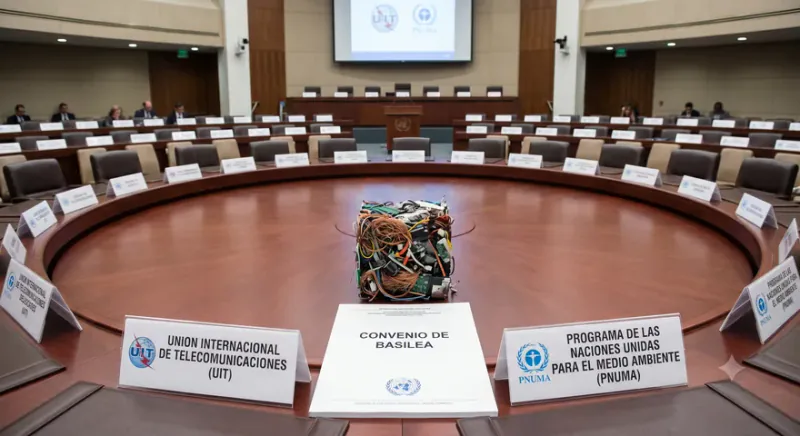

1. The Geneva Consensus and the Toxic Bureau. It symbolizes the transition of e-waste: from being a technical externality to becoming an imperative challenge for environmental diplomacy. It represents the architecture of the international prohibition regime and the policy effort to control transboundary movements of hazardous wastes, confronting institutional bureaucracy with the materiality of the problem.
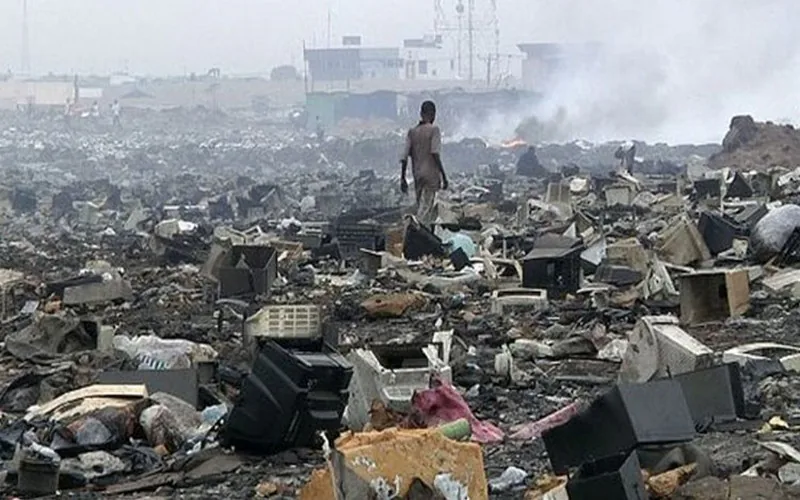
2. The Port Watchers (Non-Governmental Action). It highlights the fundamental role of NGOs as watchdogs of the international system. It exemplifies how transnational civil society provides for the punitive deficiencies of States, generating empirical evidence to denounce the violation of the Basel Convention and to visualize the global black market routes.
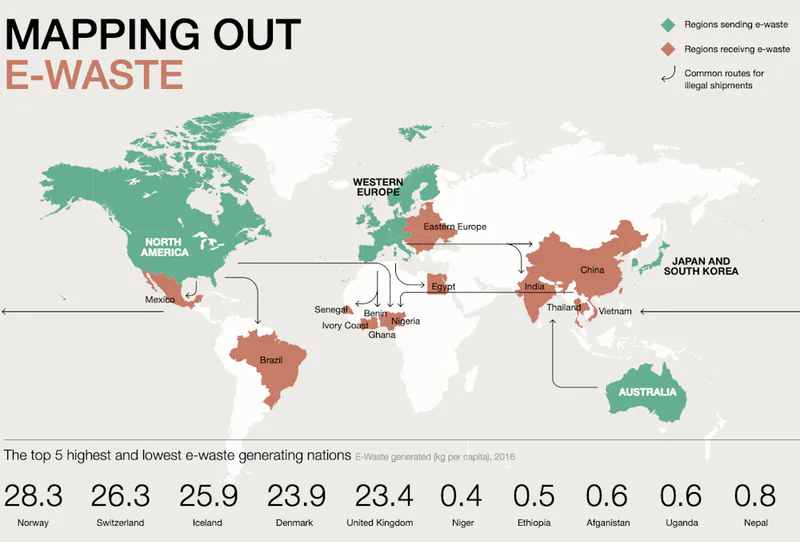
3. Disaster Cartography (The Global Observatory). It illustrates the role of specialized agencies (such as ITU and UNITAR) in the creation of Soft Power through knowledge management. It visits the effort of the Global E-waste Monitor to quantify waste, showing that without the standardization of macroeconomic data promoted by these organizations, it is impossible to formulate public policies or measure the real impact of the circular economy.
4. The Multilateral Link (Technical Cooperation). It represents the ultimate objective of the International Organization: technical cooperation and capacity transfer. It shows how international funds and programmes can intervene directly to mitigate structural asymmetries, transforming the toxic disaster into a safe and structured development opportunity for local communities.