1. The Social Contract of Obsolescence: Ethics, Consent and Recycling Devices. Instead of addressing the e-waste crisis (WEEE) only from a theoretical or punitive perspective, this type of initiative proposes a social innovation from the classroom. Students participating in a workshop on technological recycling and sustainability. (2026). Peruvian University of Applied Sciences.
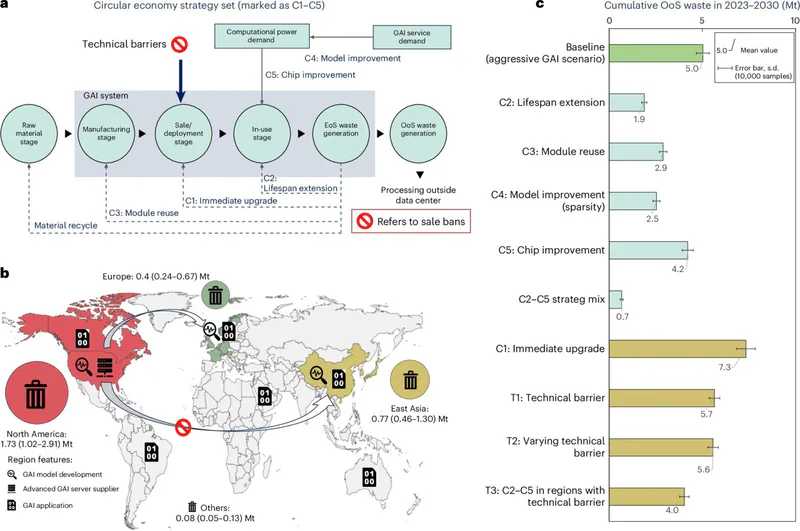
2. Researchers have developed a computer model to estimate the total amount of e-waste that will be generated between now and 2030. Its analysis suggests that the artificial intelligence sector could produce between 1.2 and 5 million tonnes of e- waste by the end of this decade, with an annual production that could increase from 2,600 tonnes by 2023 to 2.5 million tonnes per year at the end of the mentioned period. However, the authors of the study warn that these huge amounts of waste could be avoided if industry took a circular economy approach, promoting the recycling of the hardware used.
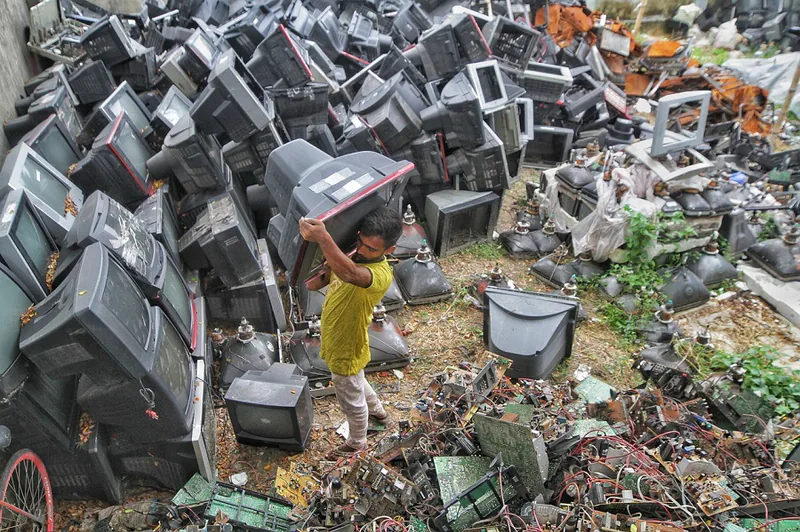
3. Technology Sovereignty: The Right to Repair as a Social Innovation Engine. E-waste Recycling Plant.
4. The Manifesto of Technical Self-Defense. In countries such as Nigeria, regulatory bodies such as the National Agency for the Enforcement of Environmental Standards and Regulations (NESREA) have ratified laws to demand responsible collection and disposal of EEE. The creation of the Nigeria Electronic Waste Producer Responsibility Organization (EPRON) in 2018 has brought together key actors in the sector, including large corporations such as Microsoft and Helwett-Packard, to commit to implementing measures that increase the ethical collection and disposal of electronic waste.
5. According to data from the NASA Orbital Remnants Programme Office, updated to January 2018 and published in February, 18,835 objects around the planet were accounted for.